About Dissolved Acetylene Gas Cylinder
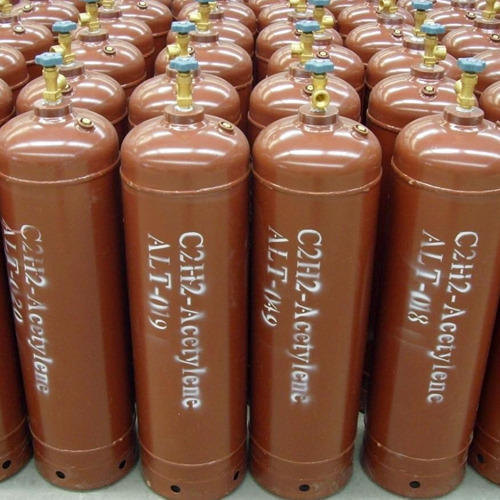
he Dissolved Acetylene Gas Cylinder is a pressurized tank that works to store and transport acetylene gas dissolved in an appropriate solvent. It is built from the best materials to provide integrity and stability of gas. It is commonly used in welding operations and is designed to prevent leaks due to damage hence making it very safe. Through accurate engineering and adherence to strict safety protocols, Dissolved Acetylene Gas Cylinder offers a secure supply of acetone for many different types of industrial processes.
| Usage/Application |
Industrial |
| Brand |
Panki |
| Weight |
70 kg |
| Material |
Mild Steel |
| Working Pressure |
10 kgcm2 |
Premium Material and StandardsThese seamless steel acetylene cylinders guarantee exceptional strength and integrity under high pressure. The brass cylinder valve adheres to both IS:3224 and BS 341 No. 3 standards to ensure leak-proof operation. The maroon color coding is compliant with IS:4379 safety regulations, enhancing visual identification and operational safety across industrial environments.
Versatile Industrial ApplicationsAcetylene cylinders are integral to sectors like welding, metal fabrication, laboratory analysis, chemical synthesis, and the glass industry. Suited for cutting, brazing, and manufacturing applications, each cylinder reliably supplies up to 6 m of acetylene gas at 15 bar (21C). Its stability and purity make it a staple for precision jobs and high-performance output.
Robust Safety and Handling FeaturesPacking is meticulously designed for secure transportation, and every cylinder is fitted with a valve cap for enhanced protection. The solvent medium (acetone) safely contains the gas and the cylinders are pressure-tested at 250 bar. This, along with a distinctive sweet odor for leak detection and strict adherence to UN 1001 labeling, ensures maximum safety during storage and handling.
FAQs of Dissolved Acetylene Gas Cylinder:
Q: How should the Dissolved Acetylene Gas Cylinder be stored safely?
A: Store the cylinder in a well-ventilated area at temperatures below 30C, away from direct sunlight and sources of ignition. Always keep the valve cap fitted when not in use and secure the cylinder in an upright position to maintain safety.
Q: What industries commonly use these acetylene cylinders?
A: These cylinders are essential in welding, metal fabrication, chemical synthesis, laboratory analysis, chemical manufacturing, and the glass industry for applications such as cutting, welding, brazing, and other industrial processes requiring high-purity acetylene gas.
Q: When is it necessary to conduct a pressure test on the cylinder?
A: Pressure testing at 250 bar should be performed as per regulatory guidelines before refilling or after prolonged storage, as part of routine maintenance to ensure there are no leaks or structural weaknesses.
Q: Where can this acetylene cylinder be delivered or supplied?
A: As a distributor, exporter, manufacturer, supplier, and trader in India, these acetylene cylinders can be delivered nationwide with safe, high-quality packing for transportation to industrial, laboratory, or commercial sites.
Q: What is the process for using dissolved acetylene in a cylinder?
A: Acetylene is dissolved in acetone within the cylinder, allowing for safe storage and regulated gas release. During usage, connect the cylinder using appropriate regulators and hoses, always check for leaks, and ensure the equipment matches the IS:3224/BS 341 No. 3 valve outlet standards.
Q: What are the key benefits of using dissolved acetylene gas cylinders?
A: These cylinders offer high purity (98%99.6%), are extremely flammable for efficient heating and cutting, feature indefinite shelf life with proper storage, and are color-coded for safety. The distinctive sweet odor aids in leak detection, while sturdy construction ensures long-term reliability.
Q: How can users ensure correct cylinder usage and maintenance?
A: Users should always inspect the cylinder and valve for damage or leaks before use, utilize the specified valve outlet and regulators, keep the cylinder upright, and follow all handling and storage guidelines. Scheduled pressure testing and securing the valve cap when not in use promote operational safety and longevity.









 Send Inquiry


 Send Inquiry